HIPAA Compliant Booking App: Does Yours Need to Be?
A HIPAA compliant booking app is only required in some cases, because a booking or wellness app is not automatically covered by HIPAA. HIPAA applies to certain organizations, not to certain kinds of apps. If you run a clinic that bills insurance electronically and you want an app for your patients, HIPAA almost certainly applies to you, and it will apply to the developer you hire. If you are a personal trainer, a massage studio or a salon that takes bookings and payments directly from clients, it usually does not. A different federal rule may still apply to you.
This guide explains how to tell which situation you are in, what each one asks of you, and what to settle before you hire anyone. We are developers, not lawyers, so treat this as a map to take to your own counsel.
Who HIPAA actually covers
The regulation sets two groups. A covered entity is a health plan, a health care clearinghouse, or a health care provider that sends health information electronically in connection with a standard transaction, such as an insurance claim. A business associate is a person who, on behalf of a covered entity, "creates, receives, maintains, or transmits protected health information" (45 CFR 160.103).
Two details matter for app owners:
- A provider only counts as a covered entity if it sends those standard transactions electronically. A coach who is paid by card and never bills an insurer is generally outside that definition.
- A software developer is not covered just by writing software. The developer becomes a business associate when it handles protected health information on behalf of a covered entity.
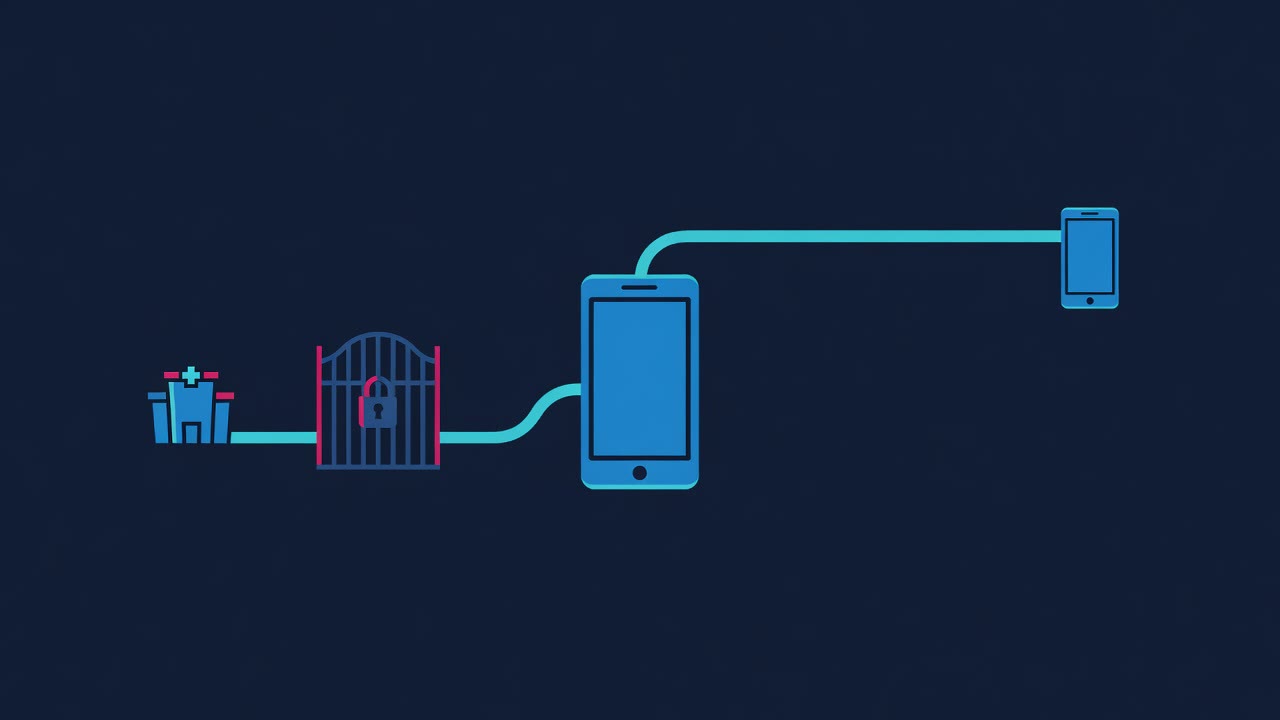
The same booking feature can sit on a regulated path or an unregulated one, depending on who the app is built for.
Four common app situations for a HIPAA compliant booking app
These are illustrative scenarios, not legal conclusions.
A clinic that bills insurance. The app books visits, stores intake forms and shows visit notes. The clinic is a covered entity. Whoever builds and hosts the app for it will likely be a business associate, which means a signed business associate agreement and real safeguards on the data.
A personal trainer or fitness coach. The app books sessions, takes payment and tracks workouts. No insurer is billed. HIPAA usually does not apply. Our guide to fitness coach app development covers the build side.
A salon, spa or massage studio. The app books appointments and stores a client's name, number and preferences. That is personal data, but not usually protected health information held by a covered entity. Your privacy policy still has to describe what you collect.
A direct-to-consumer wellness app. People download it on their own and log sleep, mood or blood pressure. Under the Office for Civil Rights guidance on health app use scenarios, first issued in 2016, a developer whose app a consumer picks and uses independently is generally not a business associate. If a covered entity hires or pays for the app instead, the answer usually flips. The guidance is fact-specific, so ask a lawyer about your exact setup.
The rule that catches apps outside HIPAA
Being outside HIPAA does not mean being outside federal privacy law. The Federal Trade Commission's Health Breach Notification Rule applies to vendors of personal health records and related companies that HIPAA does not cover. The FTC's plain-language guide says the July 2024 amendments "make clear that makers of health apps, connected devices, and similar products must comply with the Rule" (FTC guide, July 2024).
The part owners miss is what counts as a breach. The FTC says "a breach is not limited to cybersecurity intrusions." Sharing a person's health information with an ad network without their authorization can count too. That makes your analytics and advertising tools part of your compliance picture, not only your servers.
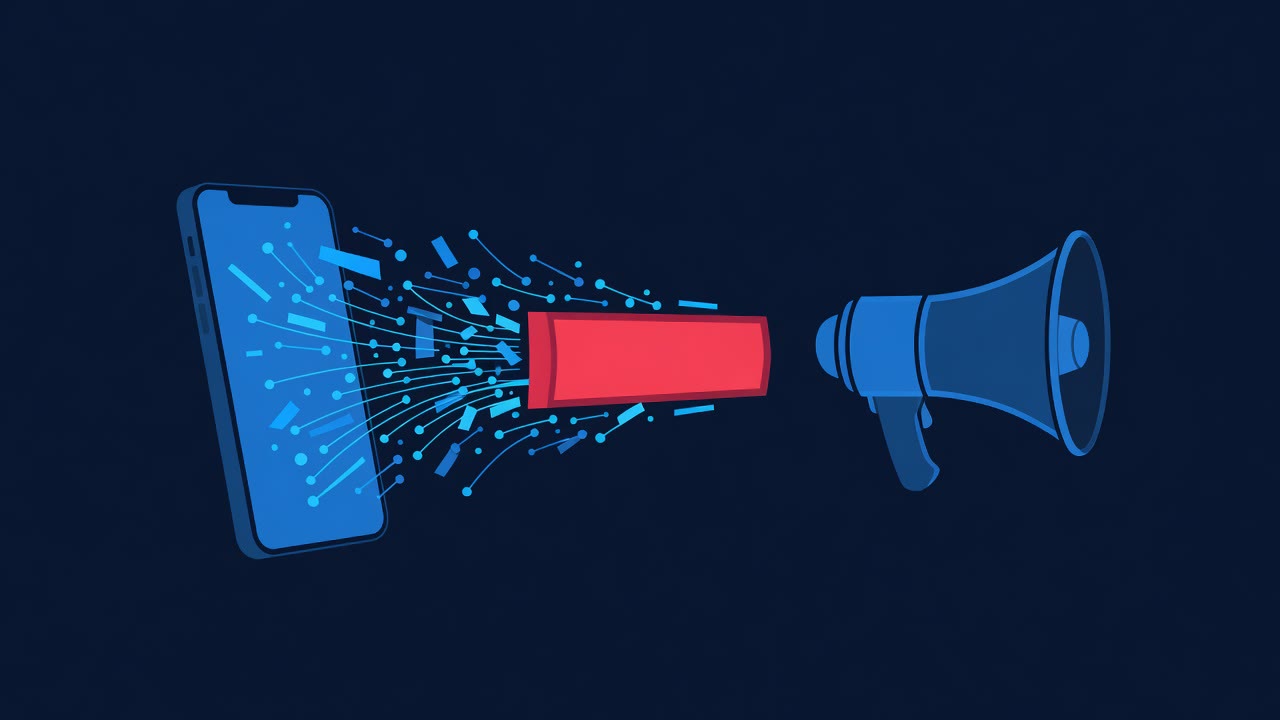
Third-party trackers inside a health-related app are a common way a breach happens without a hack.
When a breach does occur, the guide gives a deadline of 60 calendar days after discovery to notify the people affected. It lists civil penalties of up to $53,088 per violation, a figure that was current in the guide's January 2025 edit and is adjusted for inflation, so check the FTC page for today's number.
What to settle before you build
Answer these in writing before a developer writes any code. They shape the price more than any screen does.
- Who is the customer? A clinic that bills insurance, or individuals who book directly. This decides whether HIPAA applies at all.
- What health information will the app hold? A name and a time slot is very different from diagnoses, medications or visit notes. Collect only what the job needs.
- Where does the data go? List every service that touches it: hosting, email, text messages, analytics, crash reporting, payments. Each one is a potential disclosure.
- Who signs what? In a HIPAA setting, ask every vendor, including your developer, whether they will sign a business associate agreement before work starts. If a vendor will not, they cannot hold that data for you.
- Who owns the accounts? You should own the developer accounts and the data. We explain our approach in who owns your app.
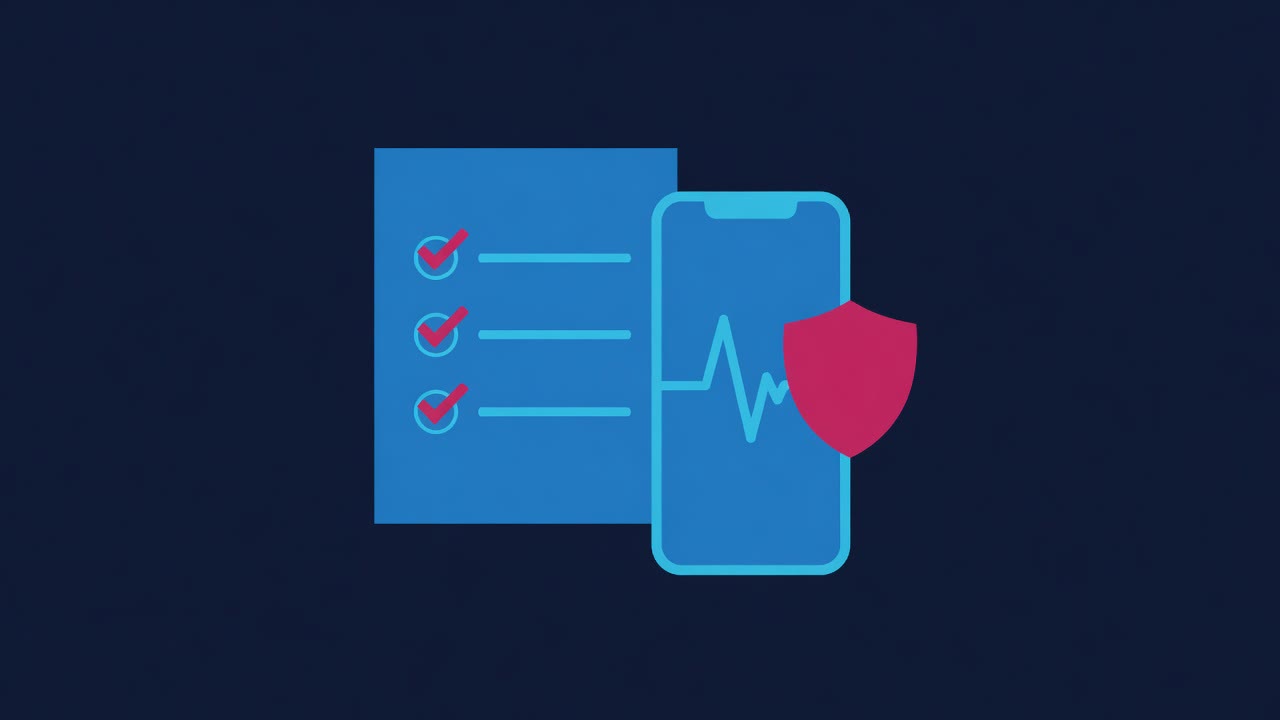
A short written checklist up front prevents the expensive rebuild later.
What it does to cost
Privacy requirements add work in three places: a stricter data design, extra hosting and access controls, and legal review. A plain booking app for a studio that sits outside HIPAA costs the same as any other booking app, and our price ranges start at $3,500. A build for a covered entity costs more, and the added legal and hosting work depends on the contract, so we scope it after reading your brief rather than guessing. For the general picture, see how much it costs to build an app.
Where we are the wrong fit
We are an app studio, not a compliance firm. We cannot tell you whether your clinic is a covered entity or write your HIPAA policies. If your app will hold diagnoses or visit notes for a practice that bills insurance, hire a health-privacy attorney first, then bring us the written requirements. If you just need online booking, a ready-made scheduling tool may be cheaper than any custom build.
FAQ
Is every HIPAA compliant booking app built the same way?
No, and a booking app is not HIPAA compliant by default. HIPAA compliance depends on who the app is built for and what information it handles, not on the feature. A booking app for a clinic that bills insurance may need to follow HIPAA. The same feature in a trainer's app usually does not.
Does a wellness app need HIPAA compliance if users download it themselves?
Usually not. The Office for Civil Rights guidance treats a developer whose app a consumer chooses independently as generally outside HIPAA. The FTC's Health Breach Notification Rule may still apply, so the app still needs careful data handling.
Do I need a lawyer before building a health-related app?
If the app will hold health information for a practice that bills insurance, yes. A short consultation up front costs far less than rebuilding an app that holds data the wrong way.
Next step
Write down who your customer is and which health details the app would really hold. Put that into the free app brief, or book a free intro call and we will tell you straight whether the build is a fit.
Your app. In the stores. Done for you. US APP Team designs, builds, and launches your iOS and Android app for a fixed price. Start your app brief or book a free intro call — both are free.
Want to poke around first? Every tool in our free tool library runs in your browser with no signup: an app cost calculator, an app name generator, and a privacy policy generator.
