How to Protect Your App Idea Before You Hire a Developer
Here is the short answer on how to protect your app idea: you mostly can't protect the idea itself, so protect everything around it. Get a mutual NDA before you share the details. Sign a contract that gives you the code, the designs and the store accounts. Secure the name early. Keep the parts that make your app hard to copy to yourself until you have picked a team. A patent fits a small number of apps, and most founders don't need one.
None of this is legal advice. For anything with real money behind it, a one-hour call with an intellectual property lawyer is cheap insurance.
Why the idea itself is not protected
The U.S. Copyright Office is direct about this. Its FAQ on what copyright protects says copyright does not protect ideas, concepts, systems or methods of doing something. It protects how those ideas are expressed. Circular 33 gives the classic example: a book that explains a new system is protected, and the system it describes is not.
For an app, that means "an app that lets dog owners book walkers nearby" belongs to nobody. Your written spec, your screen designs, your code and your brand can belong to you. A competitor is free to build the same concept. They can't copy your actual work.
That sounds bleak, but it points at the real risk. For most founders, the bigger danger is not a developer stealing the concept. It is never getting clear ownership of the code, the accounts or the name, and then finding they can't move to another team or ship an update.
Step 1: Use a mutual NDA, and know its limits
A non-disclosure agreement (a contract where both sides promise to keep shared information private) is the normal first step before you walk a developer through your plans. A mutual NDA protects both of you, which makes reputable firms more willing to sign it.
A useful NDA names what counts as confidential, how long the duty lasts, and what happens to your documents if you don't go ahead. Keep it short. A 12-page NDA for a first call slows everyone down.
Know what it can't do. An NDA doesn't stop someone from building a similar app on their own, and it is only as strong as your willingness to enforce it. Some large agencies refuse to sign NDAs before a first call because they hear many similar pitches. That is not a red flag on its own. A team that won't sign one before you share private business data, customer lists or a novel method is a different matter.
Step 2: Share in stages
You don't need to reveal everything to get a useful quote. On a first call, describe the problem, who the users are and the main things the app has to do. That is enough for a sensible price range and timeline.
Hold back the parts that give you an edge: a pricing model, a data source, a partner deal, the specific way you match customers. Share those once you have checked a developer's portfolio, spoken to them more than once and signed an NDA.
Writing a clear brief helps here. Our free app brief wizard walks you through the features and users without asking for your private details. The guide on how to write an app brief explains what to include.
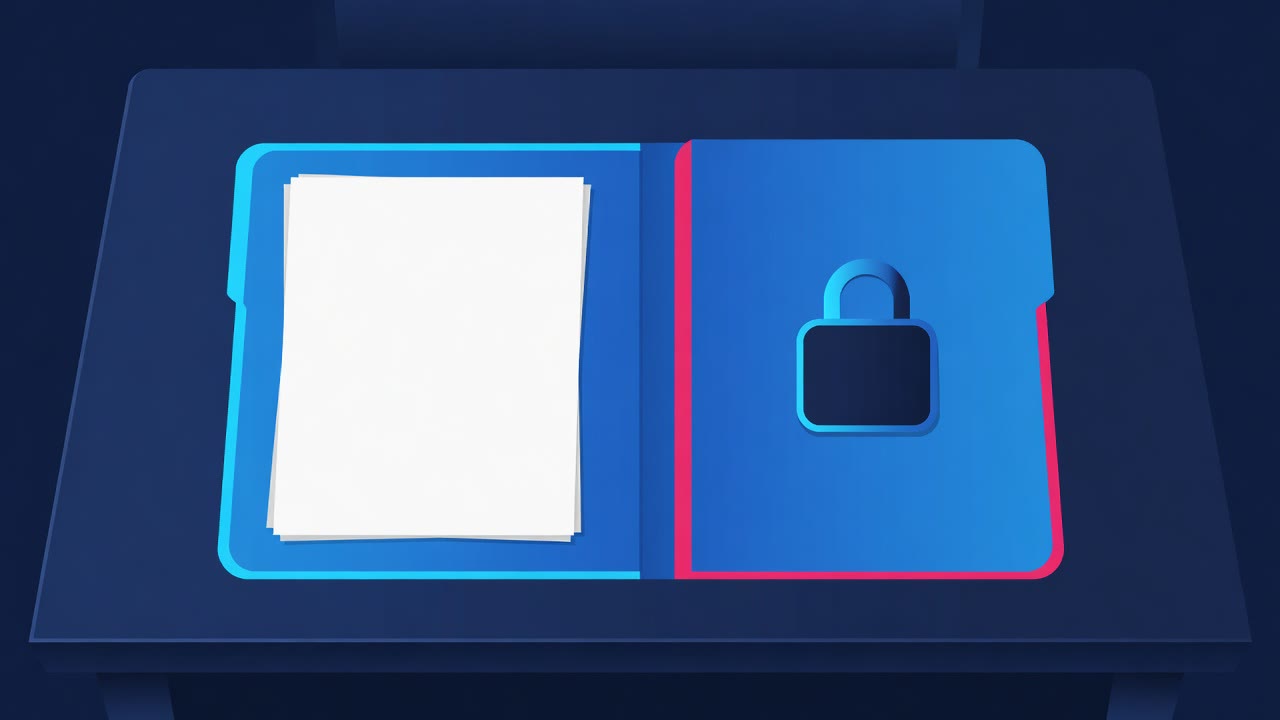
Share the problem early. Keep the method that gives you an edge until you've picked a team.
Step 3: The contract matters more than the NDA
The development contract is where you really protect your app. Check for four things before you sign:
- You own the code and designs. The contract should assign all rights in the work to you, or your company, once you pay. Without written terms, the person who wrote the code may keep rights in it.
- You get the source code, not only a finished app in the store. Ask for regular access to the code repository (the online folder that holds the code), not a zip file at the very end.
- The store accounts are yours. The app should be published under your own Apple and Google developer accounts. We explain why, and what goes wrong otherwise, in who owns your app.
- Third-party pieces are listed. Most apps use open-source libraries and paid services. The contract should say what is used and that nothing blocks you from owning or moving the finished app.
This is also where the type of developer you hire matters. Freelancers, offshore shops and agencies handle ownership in very different ways, which we compare in hire an app developer vs an agency.
Step 4: Treat your secrets as trade secrets
Some of what makes an app valuable is information, not code: a matching formula, a supplier list, a way of scoring leads. U.S. law can protect that as a trade secret. The USPTO's trade secret policy page explains that a trade secret must have value because it isn't generally known, and the owner must take reasonable steps to keep it secret.
That second part is on you. Reasonable steps include NDAs, giving access only to the people who need it and keeping a record of what you shared and when. No one registers a trade secret, so the protection lasts only as long as the secret stays secret.
Step 5: Lock down the name early
The name is often the easiest thing for someone to take and the most painful to lose after launch. Before you spend on a logo, search the name in the USPTO trademark search and in both app stores. Buy the matching domain. Reserve the social handles.
Filing a federal trademark is a separate step with its own fees, listed on the USPTO's trademark fee page. Many small businesses file once the name is final and before the public launch.
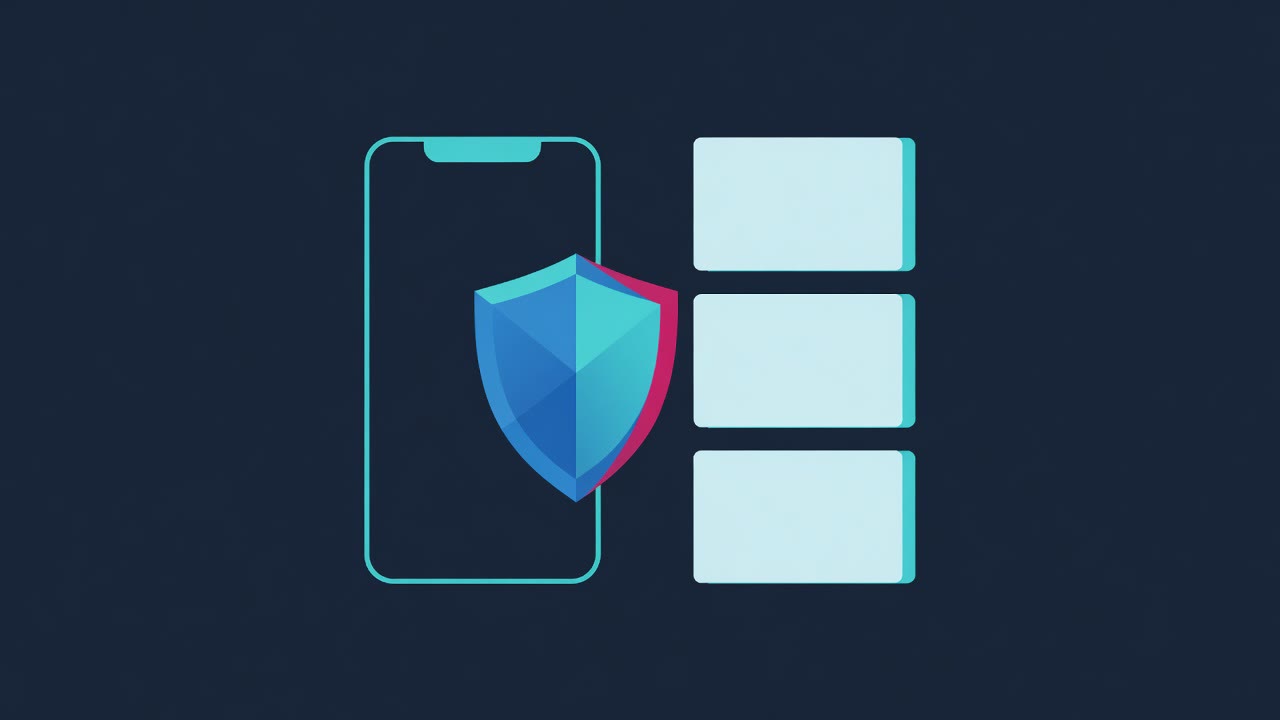
The name, the code and the accounts are the parts of an app you can actually own.
Step 6: Decide if a patent is worth it
A patent protects an invention, not a concept, and software patents are hard to get in the U.S. An app that only puts a familiar business process on a phone usually won't qualify. A new technical method, such as a new way to process sensor data on the device, might.
A provisional patent application is a lower-cost way to hold a filing date for 12 months while you decide. Fees are on the USPTO's current fee schedule, and they change, so check them on the day you file. Attorney fees are usually the bigger cost. If your edge is speed, design and service, that money is often better spent on building and launching.
Step 7: Keep your own records
Keep dated copies of your brief, your sketches, the emails where you shared details and the signed agreements. If a dispute ever comes up, a clear paper trail of who knew what and when is your best evidence.
After launch, the app stores give you a route if someone copies your actual app. Apple has an App Store content dispute form for apps that infringe your intellectual property. Google Play has a similar process for legal complaints.
Where this is overkill
If your app is a booking tool, a loyalty app or a simple order app for your own business, your customers are the protection. A competitor can copy the screens. They can't copy your client list, your reviews or your reputation in town. In that case, a normal NDA, a clean contract and the accounts in your name are all you need. Don't spend weeks or thousands of dollars on legal work before you have a working product.
It also helps to keep the fear in proportion. A developer is paid to build. Turning your idea into a rival business would take them far more than the idea.
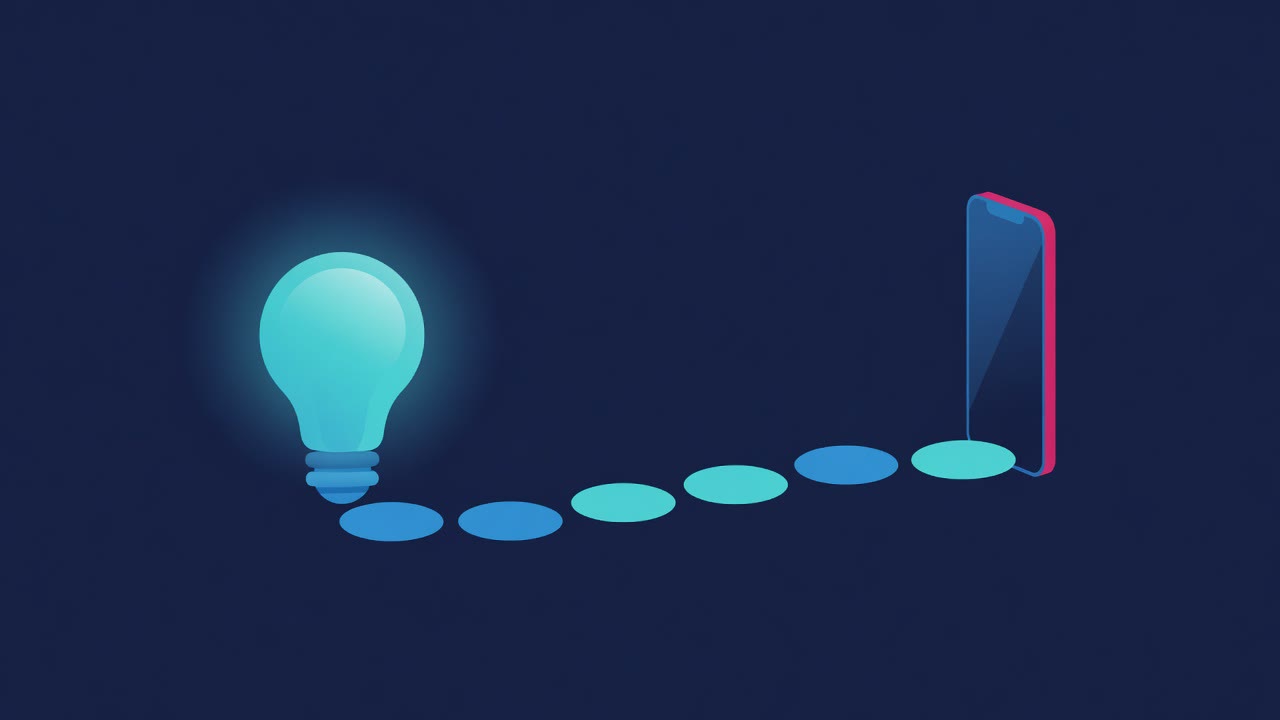
For most small business apps, a clean contract and your own accounts are the protection that matters.
How to protect your app idea before the first call
Before your first developer call, write a short brief that leaves out the secret parts, prepare a mutual NDA and read the ownership clauses in any contract you're sent. At US APP Team, you own everything from day one: the code, the designs and the store accounts. Our pricing is fixed and published. If you want to talk through your idea, book a free intro call.
Frequently asked questions
Can I copyright my app idea?
No. The U.S. Copyright Office says copyright doesn't protect ideas, concepts, systems or methods. It protects how they are expressed, so your code, designs and written spec are covered, and the underlying concept is not.
Should I make a developer sign an NDA?
Yes. If you are working out how to protect your app idea, a mutual NDA comes before you share anything private. A mutual NDA is normal and most reputable developers will sign one. It doesn't stop someone from building a similar app on their own, so the development contract still matters more.
Can I patent an app idea?
Only if it includes a new technical invention. An app that puts a familiar business process on a phone usually doesn't qualify. Talk to a patent attorney before you file anything.
Who owns the app code a developer writes for me?
Whoever the contract says. Without written terms, the developer may keep rights in the code. Make sure the contract assigns the code and designs to you and that you have access to the source code.
Your app. In the stores. Done for you. US APP Team designs, builds, and launches your iOS and Android app for a fixed price. Start your app brief or book a free intro call — both are free.
Want to poke around first? Every tool in our free tool library runs in your browser with no signup: an app cost calculator, an app name generator, and a privacy policy generator.
